Do chameleons change color to camouflage with their surroundings?
Finally, a break from the cold school air. You expect the museum to be colorful and fresh, yet the air was a duplicate of school air. You look at the artifacts. Boring! You honestly get tired of seeing the same old thing over and over again. Although, something changed when you went to the animal section. Someone from the reptile center from your camp visited the museum. In her hand she had a log. Just a log. You hate that she has “a log” that you want to leave. Then you see something move on the log. Then the colors changed to reveal, not one, but two chameleons. That makes you happy that you went to the museum, yet makes you wonder, do chameleons change color to camouflage with their surroundings? Lets pop this balloon to find out!
What is a chameleon?
Chameleons are a carnivore reptile found in most of Africa, south of Asia, and parts of Europe. Their scientific name is Trioceros melleri. They do have an average lifespan of 12 years. They can change colors by the guanine crystals in a specialized skin layer, changing the space to change the wavelength of light reflected of colors. Chameleons are carnivores. They mainly eat crickets, grasshoppers, flies, and more.
Do chameleons change color to camouflage with their surroundings?
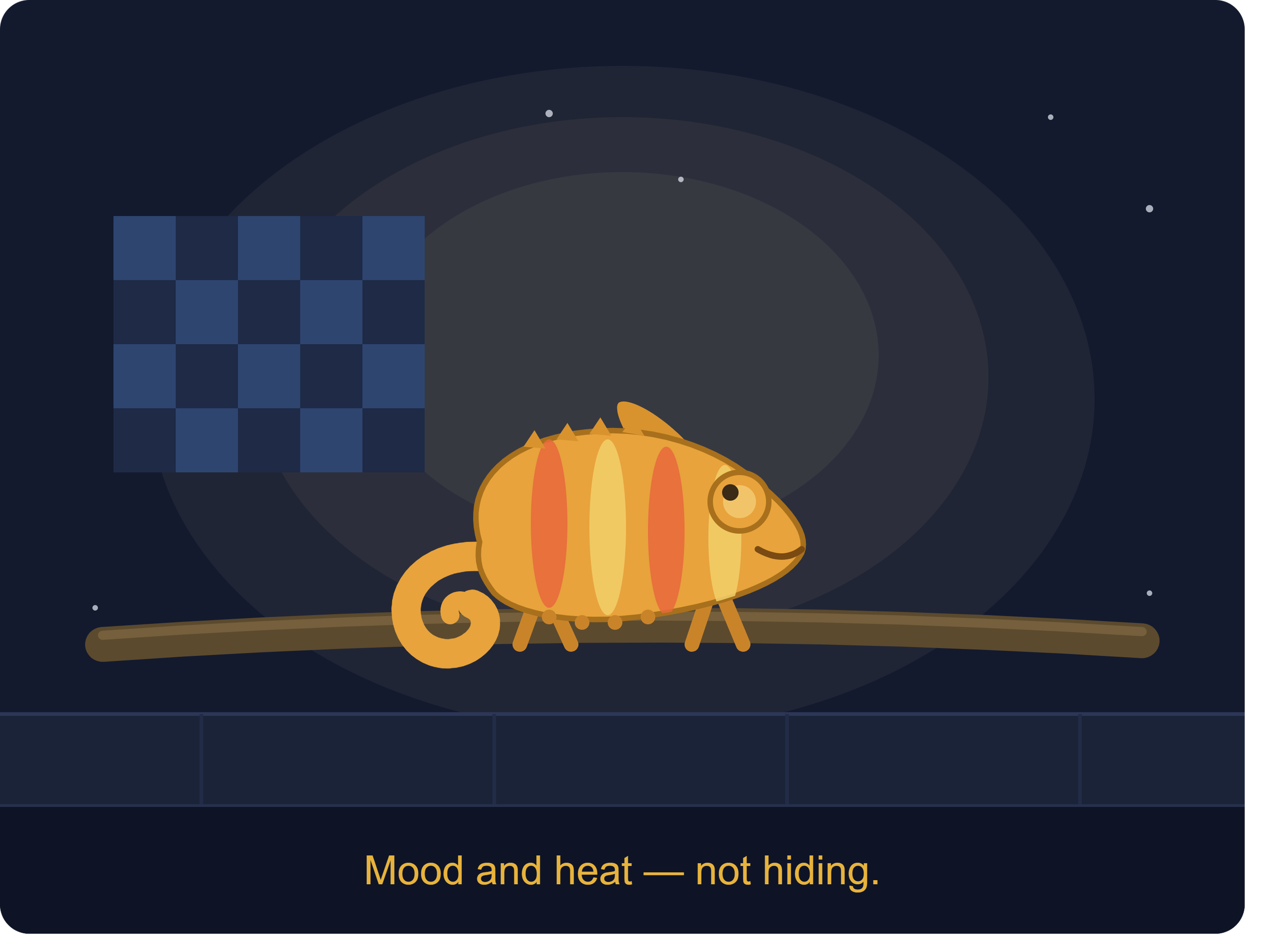
This myth is half-true. They can change color to blend in with their surroundings but this is mainly for communication and to control body heat not to blend in. They also use it to express emotions like fright or anger which can shift the pattern on their skin. This myth may have been passed down from the thought that since chameleons change color based on surroundings their purpose is to blend in with the surroundings.
Fun Facts
Chameleons whole color shift doesn’t happen fast. It takes 30-45 seconds to fully shift colors. The color of their skin can show what mood they are in. If excited or aggressive it goes bright, but if they are submissive it goes dark. In a standoff, the brightness and speed of the shift determines the winner. Normally the weaker males quit before they start.
Sources
San Diego Zoo Animals & Plants – "Chameleon"
https://animals.sandiegozoo.org/animals/chameleon
Science – "The secret to chameleon color change: Tiny crystals"
https://www.science.org/content/article/secret-chameleon-color-change-tiny-crystals
National Geographic – "Chameleons, facts and photos"
https://www.nationalgeographic.com/animals/reptiles/facts/chameleons
Royal Society Open Science – "Flap-necked chameleons change colour to match their background"